

- Project Description-
1. INTRODUCTION
The project partners, the Society for Animation and Development of Children’s Dramatic Creativity (Belgrade), “Pan Teatar” (Belgrade) and “Sharikompaniet” (Stockholm), have many years of experience in working with and for children. In addition to promoting culture for children and children’s creativity, all three organizations have strongly supported children’s rights, equality and equity, including gender equality. In our previous projects, we helped children and young people to better understand themselves and the world in which they grow up, but also to make their problems visible to the wider community through their own expression.
The partnership we built with our colleagues from Sweden, the exchange of experiences and knowledge about the societies in which we live and work led to the proposal for the project “Let’s Ask Pippi”. We believe that the Belgrade partners can learn a lot from the experience of their Swedish colleagues, especially considering the ways in which Swedish institutions and organizations deal with children's rights and gender equality.
2. PROJECT
2. 1. Project description
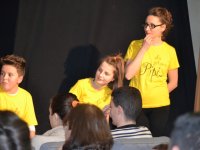
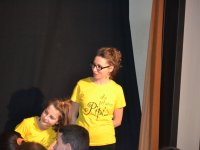
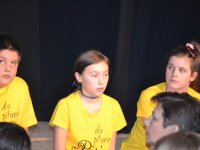
The project "Let's ask Pippi" is intended for children aged 10 to 12 who, through several phases of project implementation, would become more familiar with the concepts of children's rights, equality and gender equality.
"Pippi Longstocking" is a fantastic novel by Astrid Lindgren that would serve as a literary template for working with children on issues of diversity, equality and children's rights. During the project, children would become familiar with the meaning and importance of the above topics, receive support to talk about them openly and learn how to express them through a theatrical performance. During our previous projects and cooperation with partners from Sweden, we have dealt with children's rights, but also supported young people to express their views and openly talk about problems through art. In this project, we want to analyze the novel "Pippi Longstocking" together with children from the perspective of children's rights and gender equality. Pippi is a girl who does many incredible things, and certainly many that are "not expected" of girls. What is Pippi like? What does she tell us? How is the environment in which she lives treated? Who are the "Pippis" in our environment? Are we all a little Pippi? These are just some of the questions we will seek answers to during the workshops.
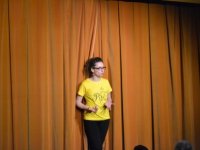
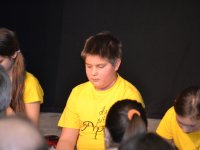
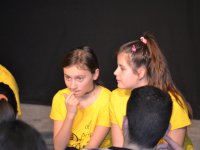
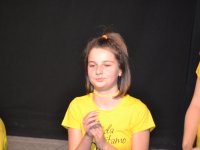
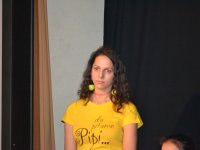
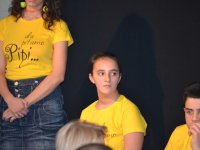
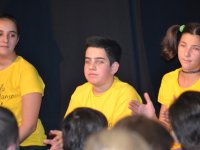
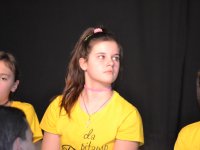
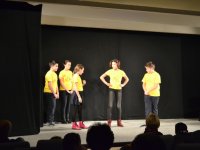
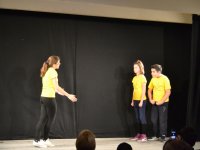
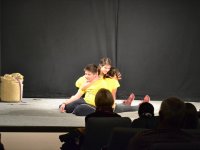
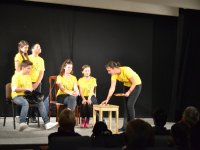
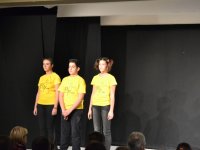
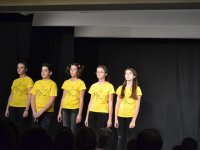
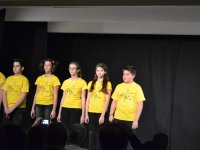
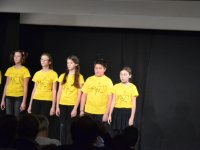
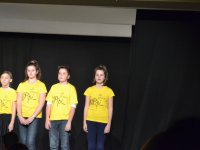
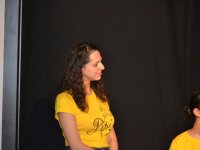
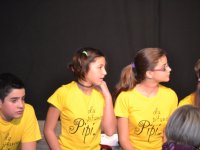
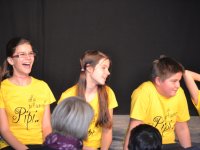
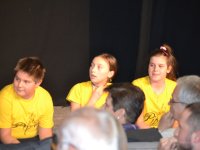
We plan to organize 15 workshops over three weeks, each lasting two hours (with one break). During the workshops, we would come up with topics that are interesting to children and that they would translate into the text - scenes of a future play. Work on the text and scenes would be organized in groups. The main character of the play would be Pippi, who asks questions but also tries to answer many. The children-participants of the project will speak through the character of “our Pippi”.
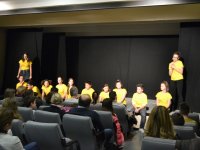
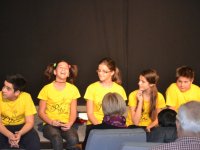
After the performance of the play, we plan to organize a round table and a conversation on the topics covered in the play.
2. 2. Relevance and sustainability of the project
The “Let’s Ask Pippi” project aims to promote literature for children, but above all, to help children better understand themselves and the people around them through the promotion of a literary work. We believe that the concepts of human and children’s rights, diversity, equality and gender equality are better understood if we talk about them, put ourselves in new situations, imagine, fantasize. During their schooling, children acquire content from children's literature, we teach them about human rights, equality and equity, but most often in separate "processes"/subjects. With this project, we want to combine children's literature and learning about rights and equality, but also to add theatrical expression to it - so that children have the opportunity to express their views and thoughts through a theatrical performance.
By performing the performance and concluding discussions at a round table, the project would fulfill its main goal: improving children's knowledge about issues of equality and children's rights. We expect that the knowledge and experiences they will gain during the implementation of the project will help children understand themselves better. The proposed concept of the project is such that children will be able to use the acquired knowledge and content in the future, whether within school or extracurricular activities. We believe that this is a very important determinant of the sustainability of the project.
Our plan is to continue this project and to use our experience in working with children to create a play called “Pippi Longstocking” that would be performed by professional actors. The future play will largely rely on the project “Let’s Ask Pippi” and its main character will be a girl living in Serbia – it will be placed in a local context.
2. 3. Planned activities
The project implementation will last three weeks, in the period November-December 2015. We plan to organize the project activities into five segments/phases of implementation:
1. Preparation for the project implementation: Selection of schools in the vicinity of the “Pan Theater” that will participate in the project; selection of children in agreement with teachers, based on their affinities and level of English language proficiency; distribution of the book “Pippi Longstocking” to all workshop participants.
2. Introductory workshops (first week of project implementation): Discussion about the book, exchange of impressions, introductory workshops on the topic of equality and children's rights, combined work on selecting topics for the play, beginning of work on the creation